
Everything worth knowing before you land
When to come, how to get around, what to do on the water, where to eat, what to pack — and a three-day plan you can steal outright. Written by people who live here.
Want it in your inbox for the flight?
Drop your email and we'll send the whole guide over — plus the local tips we don't put on the website. No spam, unsubscribe any time.
01 — Start here
Why Key West is different
Before you plan anything, it helps to understand where Key West actually is. It sits at the end of a chain of islands stretching about a hundred miles from the Florida mainland, and it's closer to Havana — around 90 miles — than it is to Miami. That remoteness isn't a detail. It explains almost everything else about the place: the pace, the architecture, the food, and why the water looks the way it does.
The island itself is small — roughly two miles by four. Old Town, where almost everything you've read about is, occupies maybe a quarter of that. You can walk from the Southernmost Point to the Historic Seaport in about thirty-five minutes, and most visitors never go much beyond those bounds. That's not a criticism; there's genuinely enough in those four square miles to fill a week. But it's worth knowing that the island continues in both directions, and the parts beyond Old Town are where locals actually spend their weekends.
Key West has water on both sides, which matters more than it sounds. The Atlantic is on the south and east; the Gulf of Mexico is on the north and west. Between them sits some of the shallowest, most fish-rich backcountry in the United States. The practical consequence is that the wind direction, not the wind speed, decides what's worth doing on any given day. A brisk northerly can leave the backcountry flat as glass while the reef is rough; reverse the wind and it flips entirely. If you take one thing from this guide, take that — because it's why we'll sometimes suggest a different activity than the one you asked for.
The island also has a history that shapes its personality. It was a wrecking port in the nineteenth century, a cigar-manufacturing town after that, a Navy base, and a place where artists and writers — Hemingway and Tennessee Williams among them — came to be left alone. It has been, at various points, the richest city per capita in Florida and a place people fled to. That mix produced a town that is genuinely tolerant, mildly eccentric, and unimpressed by wealth in a way that's unusual for a resort destination.
Practically, this means three things. First, don't try to do everything — you'll enjoy it more if you pick two or three water days and let the rest of the trip be wandering. Second, plan around the wind rather than a rigid schedule. And third, accept that the best parts of Key West are the slow ones: an hour on a sandbar, a long lunch, the walk down to the water before dinner.
02 — Timing
When to visit
Key West has two real seasons and two shoulder months, and the difference between them is bigger than the weather suggests — it affects price, availability and how crowded the island feels.
High season
The island's best weather: dry, breezy, comfortable. It's also the busiest and the most expensive, and it coincides with the snowbird migration — many visitors stay for weeks rather than days. Charters and sunset cruises genuinely sell out two to three weeks ahead. If you're coming now, book the water days first and build the rest of the trip around them.
The sweet spot
Arguably the best window of the year. The water has warmed to comfortable, the winter crowds have gone, and the summer heat hasn't arrived. Rates soften after Easter. Late May and June bring calm mornings and excellent snorkeling visibility. The one thing worth knowing is that hurricane season technically begins on 1 June, though early-season activity is rare.
Hot, with afternoon storms
This is the cheapest time to visit and the most underrated, provided you plan around the heat. Mornings bring flat, bath-warm water that's ideal for snorkeling, jet skiing and sand bars. Afternoons bring thunderstorms — they're short and routine, usually passing within an hour, but they mean any water activity should be booked before 1pm. September is peak hurricane season; travel insurance is worth having.
Shoulder season
The hurricane risk eases, the water stays warm, and the crowds are thin until Thanksgiving. Fishing improves as the water cools. Rates are reasonable and same-week bookings are usually possible. Many locals will tell you October and early November are their favourite months on the island.
Festive, and busy at the end
Early December is quiet and pleasant. From around the 20th it becomes one of the busiest periods of the year, with prices to match, and much of the island books out entirely. The holiday lights and the famous New Year's Eve celebrations in Duval are a genuine draw, but plan months ahead if you're coming for them.
A word on the water temperature, because it surprises people. It ranges from around 70°F (21°C) in January to 86°F (30°C) in August. For most visitors, the winter water is cool but swimmable with a short wetsuit, which many snorkel operators provide. If warm water matters to you more than dry weather, come in late spring or early autumn.
Our honest recommendation: if you can choose, come in late April, May, or October. You get good weather, reasonable prices, and a reasonably quiet island. If you're coming for a specific reason — the fishing, the holiday atmosphere, a school holiday — book as early as you can and accept the crowds as the cost of the timing.
03 — Transport
Getting there and getting around
There are two ways to arrive: fly, or drive the Overseas Highway. Both are worth considering, and which is right depends on how much time you have.
Getting there
Flying is straightforward. Key West International (EYW) is a small airport about ten minutes from Old Town, with direct services from several East Coast hubs plus Miami and Atlanta. Fares are higher than flying into a major city, and the aircraft are often regional jets or turboprops, so luggage allowances can be tighter than you're used to. The alternative is to fly into Miami or Fort Lauderdale and drive — which takes three to four hours from Miami and around four and a half from Fort Lauderdale.
Driving is the more memorable option. The Overseas Highway — US Route 1 — runs the length of the island chain over more than forty bridges, with the Seven Mile Bridge as the centrepiece. It is genuinely one of the great drives in the United States. Break it up: stop at Key Largo for lunch, pull over at Bahia Honda State Park, and allow a full day rather than rushing it. Note that the drive in and out of the island can be slow on Sunday afternoons and holiday weekends.
By ferry, there's a passenger service from Fort Myers that takes around three and a half hours and arrives at the Historic Seaport. It's a pleasant alternative if you'd rather not drive and don't want to fly.
Getting around the island
Here's the thing most first-time visitors get wrong: renting a car in Key West is usually a mistake. Old Town is dense, the streets are narrow and one-way, and parking is genuinely scarce and often expensive. A car you don't use will cost you more in parking than it does in rental. The only reason to have one is if you're planning to drive up the Keys — and if that's the plan, a Jeep is a far better choice than a sedan.
Walk. This is the real answer for Old Town. Everything — Duval, Mallory Square, the Historic Seaport, the museums, the restaurants — is within a comfortable walk of everything else. Wear shoes you can walk in.
Bicycle. The island is flat and the bike paths are decent. It's the fastest way to get between Old Town and the beaches on the south side, and the cheapest. Rentals are plentiful and usually run by the day or week.
Golf cart. The most popular option with visitors, and the most fun, with caveats. A cart is easy to drive, holds four to eight people, and lets you park in spaces a car can't use. But it's slow, there is no weather protection, and you should check before booking whether carts are permitted on the specific roads you're planning to use — rules vary by street and by operator. For getting around Old Town and the immediate surrounds, it's ideal.
Moped or scooter. Cheap, quick and easy to park. Only worth it if you're a confident rider — the traffic in Old Town is slow but unpredictable, and the roads are shared with pedestrians, carts and bicycles.
Jeep or car. The one vehicle that justifies its cost, but only if you're heading up the Keys. A Jeep lets you reach Bahia Honda, Big Pine, the Lower Keys and the quieter beaches that are twenty to forty minutes away — the parts of the chain most visitors never see. If you're staying strictly in Old Town, skip it.
Taxis and rideshare. Available and reliable for short hops, particularly at night or if you're staying outside the historic district. There are also electric shuttles running fixed routes through Old Town.
Parking. If you do have a vehicle, know that free parking in Old Town is rare and metered spaces are enforced. Many accommodations include a space; if yours doesn't, ask before you arrive. The Park and Ride on the north side of the island is a reasonable fallback.
04 — Activities
On the water
This is why most people come, and the range is wider than most visitors realise. What follows is an honest assessment of each option — what it's actually like, who it suits, and when it's worth doing.
Snorkeling
The most accessible water activity and the best value. Key West sits beside the Florida Keys National Marine Sanctuary, and there are genuine reef sites within a short boat ride. Expect coral formations, tropical fish, and reasonably clear water on calm days. Visibility varies enormously with the wind — a flat morning can give you fifty feet, a windy afternoon ten. Most operators provide gear and run half-day trips. If you've never snorkeled, this is the easiest introduction. If you're experienced, ask about the deeper reef and wreck sites rather than the standard shallow stops.
Scuba diving
Key West is a legitimate dive destination, with reef dives, wrecks and the deeper sites further out. Certification is required for anything beyond a supervised introductory dive, and there are several reputable dive shops on the island offering courses if you want to learn here. The wrecks are the standout — artificial reefs that have been colonised for decades and now hold serious fish life. Best from late spring through autumn when the water is warmest.
Parasailing
Around ten minutes in the air at roughly four hundred feet, on a boat that fits six to twelve people. It's calmer than it looks — you're strapped into a harness and the ascent is gradual. Tandem flights are standard, which makes it practical for couples and parents with older children. The view of the island from height is the real payoff; on a clear day you can see the whole chain. Worth doing once, particularly in the late afternoon when the light softens.
Kayaking and paddleboarding
The best way to see the backcountry. The mangrove channels north of the island are calm, shallow and full of wildlife — rays, nurse sharks, turtles, and a great deal of birdlife. Guided kayak trips run through the tunnels where a boat can't go. Paddleboarding works on the same water and is easier here than on open coast because there's almost no swell. Both suit beginners; you don't need experience to enjoy either.
Sand bars
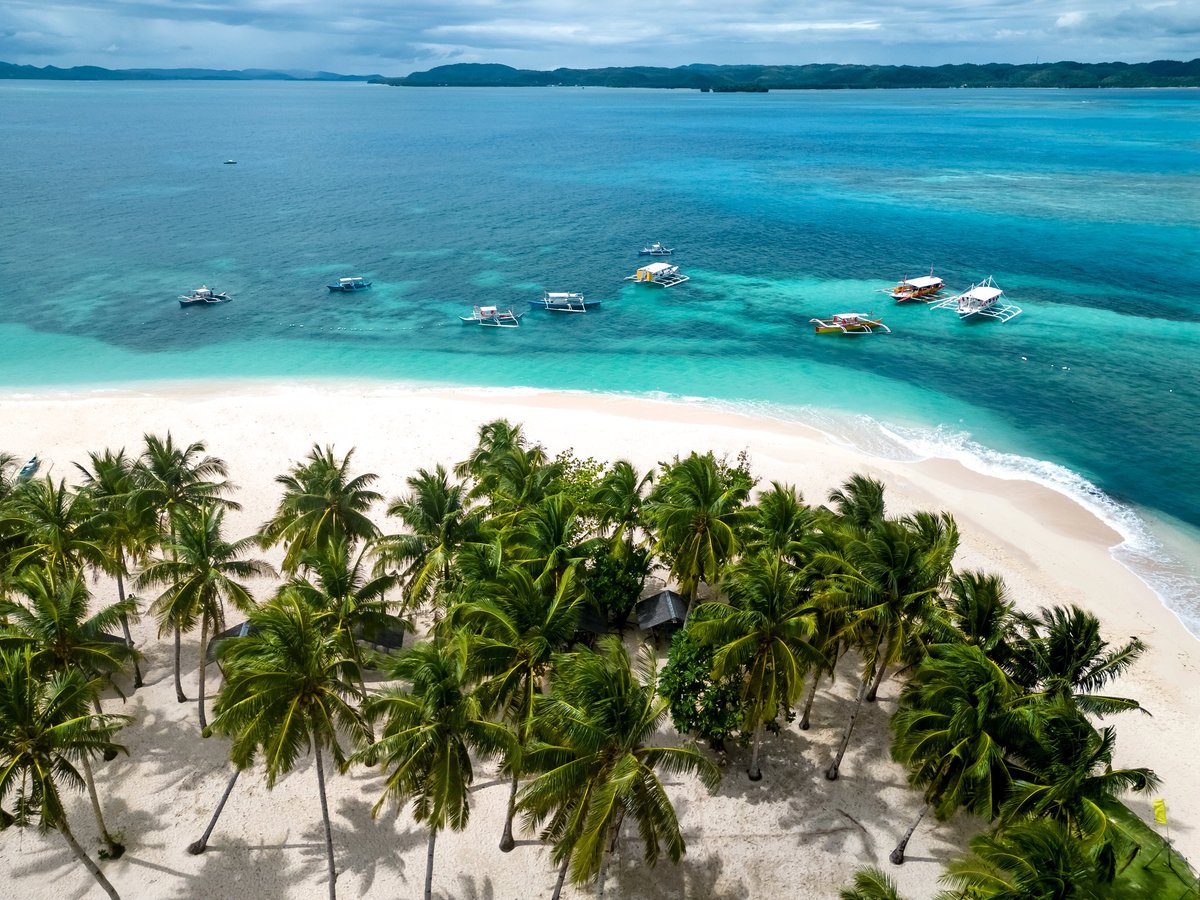
The most underrated thing to do here. As the tide drops, sandbars rise out of the shallow water west and north of the island, creating temporary beaches in the middle of nowhere. A charter takes you out, anchors, and you spend the afternoon swimming in waist-deep warm water with a cooler. It's not a tour and there's no schedule — which is exactly the appeal. Best on a weekday, best at low tide, and it pairs naturally with snorkeling or fishing on the way there and back.
Jet skiing
Guided jet ski tours run around the island's coastline, covering open water, the backcountry and the harbour. You don't need experience, and the skis are straightforward to operate — you get a briefing and a guide leads the group. Expect a mix of fast open-water sections and slower, scenic stretches. It's genuinely one of the most fun ways to cover ground, and a good option if you want a hit of speed without committing to a full day.
Sailing and cruising
Anything from a two-hour catamaran trip to a full-day private charter. A catamaran is stable and social, usually with a bar aboard; a classic schooner is quieter and more atmospheric; a private yacht gives you the boat entirely to yourselves. The most common version is a sunset sail, which we cover separately. Daytime charters often combine sailing with a snorkel stop.
Stand-up fishing from shore
Worth knowing about if you're on a budget or just want an hour. There are public piers and seawalls where you can fish without a boat, and bridges along the highway that locals use regularly. You'll need a Florida fishing licence, which is inexpensive and available online. Not the most productive fishing in the area, but it's free and the sunsets are the same.
A note on booking. You can book direct with operators, and many people do. The advantage of going through a local service is that someone who knows the conditions can match you to the right boat for the day you've got — and move you elsewhere if the weather does something unexpected. The advantage of booking direct is sometimes price. Both are reasonable choices.
The single most useful piece of advice: book your water days for the morning. The wind reliably picks up in the afternoon, and in summer the storms arrive then too. A 9am departure is almost always better than a 2pm one.
05 — The ritual
Sunset, the nightly ritual
In most places, sunset is something you notice. In Key West it's an event with a schedule, a venue and an audience. Mallory Square, on the waterfront at the north end of Duval, hosts a nightly gathering that's been happening for decades — street performers, artists, food vendors, and a few hundred people watching the sun go down over the Gulf. It's free, it's a bit chaotic, and it's worth doing once.
The performers set up an hour or two before sunset and pack up shortly after. Arrive around ninety minutes early to get a spot near the railing and to see the acts. The fire-eaters and tightrope walkers are the ones that draw the crowds; the musicians scattered along the square are often better. Bring cash for tips — the performers work for them.
If crowds aren't your thing, there are quieter options. The Southernmost Point area gets busy at sunset but the beach at Fort Zachary Taylor State Park is calmer and, we'd argue, a better view — you're looking west over open water rather than across the harbour. There's a small entry fee and it closes at sunset.
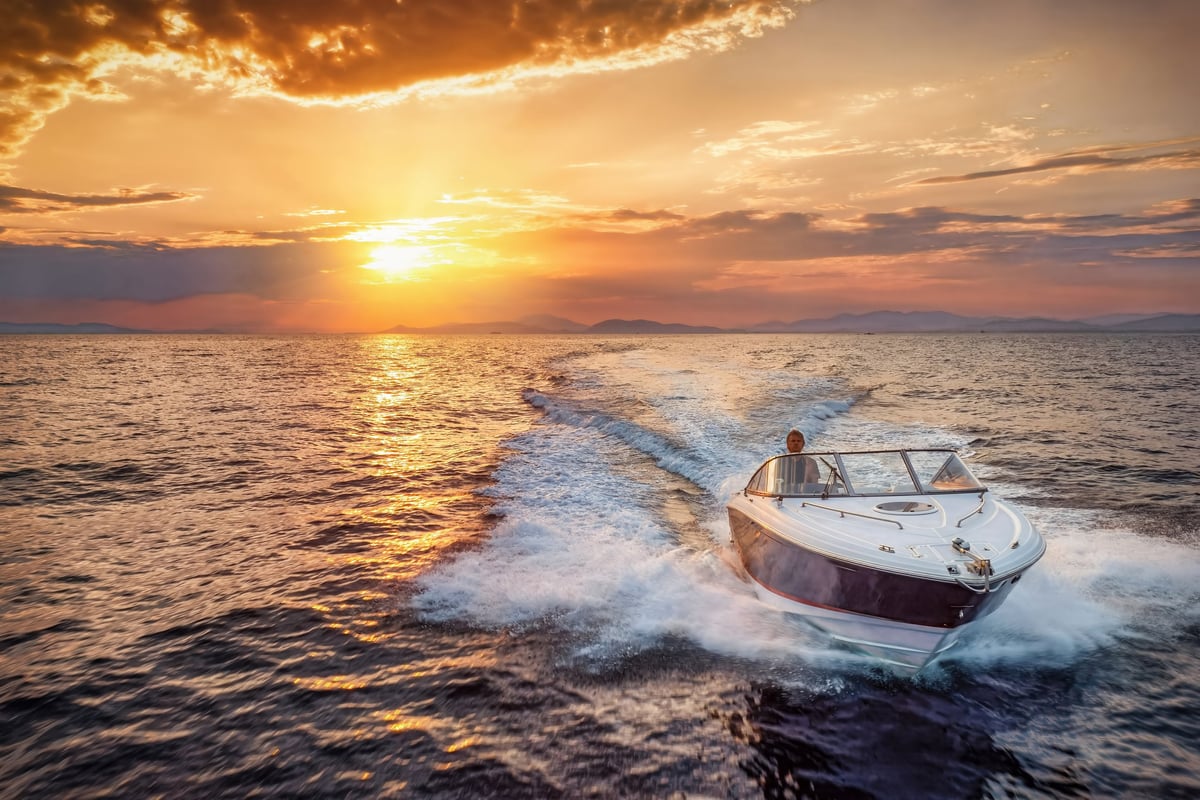
On the sunset cruise question: yes, it's worth it, with one caveat. A sunset cruise puts you on the water as the light goes, which is genuinely different from watching from land — and most departures include drinks. The caveat is that you're sharing the view with everyone else on the boat, and the boats are often full. If that's fine, book it. If you'd rather have the horizon to yourselves, a private charter costs more but changes the experience completely.
One practical point: sunset time varies by more than two hours across the year — roughly 5:45pm in midwinter and 8:15pm in midsummer. Whatever you're planning, check the actual sunset time for your date, and aim to be in position ninety minutes before it. The best light isn't at sunset; it's in the hour leading up to it.
06 — Fishing
Fishing
Key West is one of the best fishing destinations in the United States, and the range of what's available is the reason. Within a short boat ride you can be in forty feet of water over a reef, or in two feet of water on a flat, or thirty miles offshore chasing pelagics. Very few places offer all three.
The four main approaches are genuinely different experiences, not just different locations:
Deep sea / offshore
Out past the reef into open water, typically six to eight hours, targeting mahi-mahi, tuna, wahoo, sailfish and marlin depending on the season. This is the most expensive option and the most physically demanding — it can be rough, and the run out takes time. It's also the one that produces the trophy photographs. Best from late spring through autumn. If you're prone to seasickness, take precautions before you leave the dock; the offshore water is nothing like the backcountry.
Reef and wreck
Anchoring or drifting over the reef and the artificial wrecks, in maybe twenty to sixty feet of water. Targets are snapper, grouper, amberjack and kingfish. This is the best choice for families and first-timers: shorter runs, calmer water, and nearly constant action once you find the fish. A half-day trip is genuinely enough here, and the catch is usually good eating.
Backcountry / flats
Pole or trolling through the shallow flats and channels north of the island, targeting tarpon, bonefish, permit and redfish. This is technical, quiet fishing and it rewards patience. A good guide will pole the boat while you cast to fish you can actually see moving across the flat — which is a completely different experience from dropping a line over a reef. Tarpon season peaks in late spring and early summer; bonefish and permit are a year-round proposition.
Fly fishing
The same backcountry water, with a fly rod. It's the most demanding discipline on offer here and the most rewarding if you're already a fly angler — the sight-casting to tailing fish on a flat is why people travel to the Keys specifically. Not a good introduction to fishing, but exceptional if you know what you're doing.
What's included and what isn't. A reputable charter supplies rods, reels, tackle, bait, ice and a fishing licence — you shouldn't need to bring gear or buy a permit. What you will need is sun protection, food and drink for longer trips, and cash for the mate's tip, which is customary and usually fifteen to twenty percent.
Catch and release. Expect to release most of what you catch, and all billfish. You'll generally be able to keep reef fish for eating, and the crew will clean and bag them at the dock. A number of local restaurants will cook your catch for you if you bring it in — ask your captain which ones are currently doing it.
Licences. Florida requires a recreational saltwater fishing licence for anyone fishing, including from shore. Charter boats carry a blanket licence that covers everyone aboard, which is one of the practical reasons to book a trip rather than fish from a bridge. If you're fishing independently, buy yours online before you arrive.
07 — Off the water
Beyond the water
There's more here than boats, and if you're on the island for more than a couple of days you'll want it. The town is dense with history, and a surprising amount of it is genuinely interesting rather than merely old.
Duval Street
The famous one, running roughly from the Gulf to the Atlantic — about a mile, and always busy. It's the commercial heart of Old Town: bars, restaurants, galleries, shops, and a lot of people. Worth walking the length of it once, ideally early morning before the crowds, and then treating it as a corridor rather than a destination. The best places to eat and drink are usually a block or two off it.
Hemingway Home and Museum
The most-visited attraction on the island, and it earns it. Hemingway lived here through the 1930s, and the house has been preserved with much of the original furniture — plus the polydactyl cats descended from his own. Tours run throughout the day and do sell out; go early or book ahead. Even if you've no interest in the man, the house itself is a fine example of the island's nineteenth-century architecture.
The Little White House
Truman's winter retreat, used by several presidents after him. Less crowded than Hemingway and, for anyone interested in twentieth-century history, considerably more interesting. The guided tour is genuinely good.
Fort Zachary Taylor
A Civil War-era fort on the south side, with the best beach on the island attached. The fort itself is a state historic site with one of the largest collections of Civil War armaments in the country. Combined with the beach and the picnic areas, this is the best single afternoon on land.
The Historic Seaport
The working harbour at the north end, where most charter boats and water activities depart from. It's been redeveloped into a pleasant area of docks, restaurants and bars. Worth wandering even if you're not going out on a boat — it's where the island's fishing identity is most visible.
Museums and galleries
The island has an unusual concentration of small museums and commercial galleries for its size — the Custom House, the Shipwreck Museum, the lighthouse, the Key West Art Center, and dozens of galleries along Duval and White Street. The shipwreck museum in particular tells the story of the wrecking industry that made this town, which explains a lot about why it exists at all.
The arts scene
Key West has an active community of painters, writers and musicians, and there are regular gallery walks, studio tours and live music every night of the week. It's not a manufactured arts district — it grew out of the town's long history as a place artists went to be left alone. Look for listings in the local papers when you arrive.
Just walking
Genuinely the best thing to do here. The architecture — Bahamian-style conch houses, tin roofs, shutters, porches — is unlike anywhere else in the United States, and the side streets away from Duval are quiet and beautiful. Pick a direction, get slightly lost, and you'll find the version of Key West people actually fall in love with.
08 — Eating
Food and drink
Key West eats well, and it's worth understanding why. The island sits between the Bahamas and Cuba, and the food reflects that — conch, fresh fish, Caribbean seasoning, and a lot of seafood landed the same day. It's also, it must be said, an expensive place to eat. Duval Street prices are what they are, and the further you get from the main tourist strip, the better value you'll find.
What to eat
Conch. The island's signature, and it appears on nearly every menu. Conch fritters are the standard introduction; cracked conch — pounded thin, breaded and fried — is the better dish. Conch chowder is a Keys staple. Note that most conch served here is imported from the Bahamas now, as local stocks are protected.
Stone crab claws. A genuine Florida delicacy, available from mid-October through May. They're served cold with mustard sauce, and they're expensive because the fishery is strictly managed — only one claw is taken from each crab, and it's returned to the water to regrow.
Fresh fish. Whatever's being landed: yellowtail snapper, grouper, mahi, hogfish. The simplest preparations are usually the best. Many restaurants will cook your own catch if you've been out on a charter, which is one of the better values on the island if you've paid for a fishing trip anyway.
Key lime pie. Yes, it's a cliché. It's also genuinely good here, and noticeably different from what you'll have had elsewhere — tarter, denser, and usually made with real key limes. Worth eating once with no irony.
Where to eat
Rather than name individual restaurants — which change, and where a recommendation goes stale fast — here's how to find the good ones:
Get off Duval. A block or two in either direction from Duval, prices drop and quality generally rises. The streets running parallel — especially on the south side — have most of the best kitchens.
Eat where the locals eat. If a place is full of people who clearly live here, that's the signal. Places that exist primarily to move tourists through are usually identifiable by a menu with photographs of every dish.
Go early or late. Key West restaurants get hammered between 7pm and 9pm. Booking ahead is standard practice for dinner in high season, and turning up without a reservation at 8pm in February will generally mean a long wait.
Lunch is the value meal. Many of the island's better restaurants serve the same kitchen at lunch for considerably less than their dinner prices.
Drinking
Duval Street is famous for its bars, and there are a great many of them. The scene runs from open-air dives to proper cocktail bars, and it stays lively late. A few things worth knowing:
Open containers are legal in Key West within certain hours and areas, which is why you'll see people walking between bars with drinks. Check the current rules when you arrive, as they're periodically revised.
Two traditions worth doing once: a drink at the bar Hemingway frequented, and a Bloody Mary at the morning-after spot where the locals gather. Both are tourist rituals and both are fun anyway.
Watch the strength. Island pours are generous and the heat accelerates the effect. This sounds like a joke until you've spent an afternoon on Duval in August. Eat, hydrate, and pace yourself — the next morning's snorkel trip comes early.
09 — Practicalities
Practicalities
What to pack
The essentials are straightforward, but a few things are specific to this place:
Reef-safe sunscreen. This is not optional in spirit or in practice — several operators require it, and the marine sanctuary rules restrict certain ingredients. Bring it rather than buying it here, where it's marked up considerably.
Sunglasses with a strap. The glare off the water is intense and a strap stops them going overboard, which happens constantly.
A dry bag. Small, cheap, and the difference between a working phone and a dead one. Even on a boat, spray gets everywhere.
Shoes you can walk in. Old Town is a walking town and the streets are uneven. Non-slip soles are worth having on boats.
A light rain layer. Summer storms are short but sudden, and in winter the wind can make an evening cruise colder than you'd expect.
Cash. You'll want it for tips — captains, mates, guides and the performers at Mallory Square all work for them. Many places take cards, but tips and small vendors are still a cash business.
Leave behind: heavy luggage, formal clothes and anything you'd be devastated to get wet or sandy. Nobody dresses up much here, and the island rewards travelling light.
Tipping
Standard US practice applies: fifteen to twenty percent in restaurants. On boats, the mate works for tips and fifteen to twenty percent of the trip cost is the usual expectation. If you had a good captain, tipping them directly is appreciated.
Costs
Key West is expensive by Florida standards and everyone who lives here knows it. Accommodation is the big one, particularly in high season. Food and drink on Duval are priced for visitors. Water activities vary enormously — a group snorkel trip costs a fraction of a private charter, and both are legitimate ways to spend a day.
Places to save: eat lunch out rather than dinner, buy drinks at a liquor store for the boat rather than at a bar, take your own cooler on a sandbar trip if it's permitted, and book direct for simple rentals where there's no advantage to an intermediary. If you're doing three or more water days, combining them into one booking usually costs less than arranging each separately.
Health and safety
The sun is the main hazard, and it's stronger here than most visitors expect even when it's overcast. Reapply sunscreen throughout the day, particularly after swimming.
If you're prone to seasickness, take medication before you board, not after you feel unwell — by then it's too late to help. The offshore trips are the ones that catch people out; the backcountry and reef are usually calm.
There's a hospital on the island with an emergency department, and a number of urgent care clinics. Standard travel insurance is sensible, and it becomes genuinely important if you're visiting during hurricane season.
Accessibility
Old Town is largely flat and walkable, but many pavements are uneven, some buildings are historic with steps at the entrance, and not everywhere is wheelchair accessible. On the water, accessibility varies a great deal by boat — catamarans are generally easiest for boarding, smaller skiffs the hardest. If anyone in your party has mobility requirements, tell us when you book and we'll match you to an operator who can accommodate them rather than finding out at the dock.
10 — Putting it together
A sample three days
Three days is the shortest trip worth making here. This is how we'd structure it — one water day, one island day, one that combines both, with the evenings deliberately left loose.
Arrive, orient, sunset
Don't book anything on the water for your first day — flights get delayed and the drive takes longer than people plan for. Instead: arrive, drop bags, and walk the length of Duval from the Gulf end to the Atlantic end. It takes about an hour and it orients you. Have a late lunch somewhere off the main strip. Then head to Mallory Square about ninety minutes before sunset for the performers, and stay for the light. Dinner after, somewhere you've booked ahead.
Your big water day
This is the one to plan around. Book a morning departure — snorkeling, a catamaran trip, or a fishing charter — because the water is reliably calmer before noon. If you're snorkeling or sailing, you're usually back by early afternoon; a deep sea trip will take most of the day. Spend the late afternoon recovering, then eat somewhere good. If you have energy left, the bars on Duval are at their best on a weeknight.
Get off the island
Pick up a Jeep or cart in the morning and drive north up the Overseas Highway. Stop at Bahia Honda State Park — it has the best beach in the lower Keys and the old bridge is worth the detour on its own. Lunch somewhere along the way, back by mid-afternoon. If you'd rather stay put, spend the day on a sand bar instead: a private charter, a cooler, and nothing on the schedule. Either way, finish with a last sunset at Fort Zachary Taylor, which is quieter than Mallory Square and arguably a better view.
If you have longer, add a second water day — a sandbar trip and a snorkel trip are genuinely different experiences and both worth doing. Add the Hemingway House and Fort Zachary Taylor if you haven't. And give yourself one day with nothing booked at all, which is when the island tends to be at its best.
If you only have two days, do the sunset on day one and your water trip on the morning of day two. That covers the essential Key West. Everything else is a reason to come back.
Read enough? Let's plan your days.
Tell us your dates and what you're after. A local replies within minutes with real availability and a price.